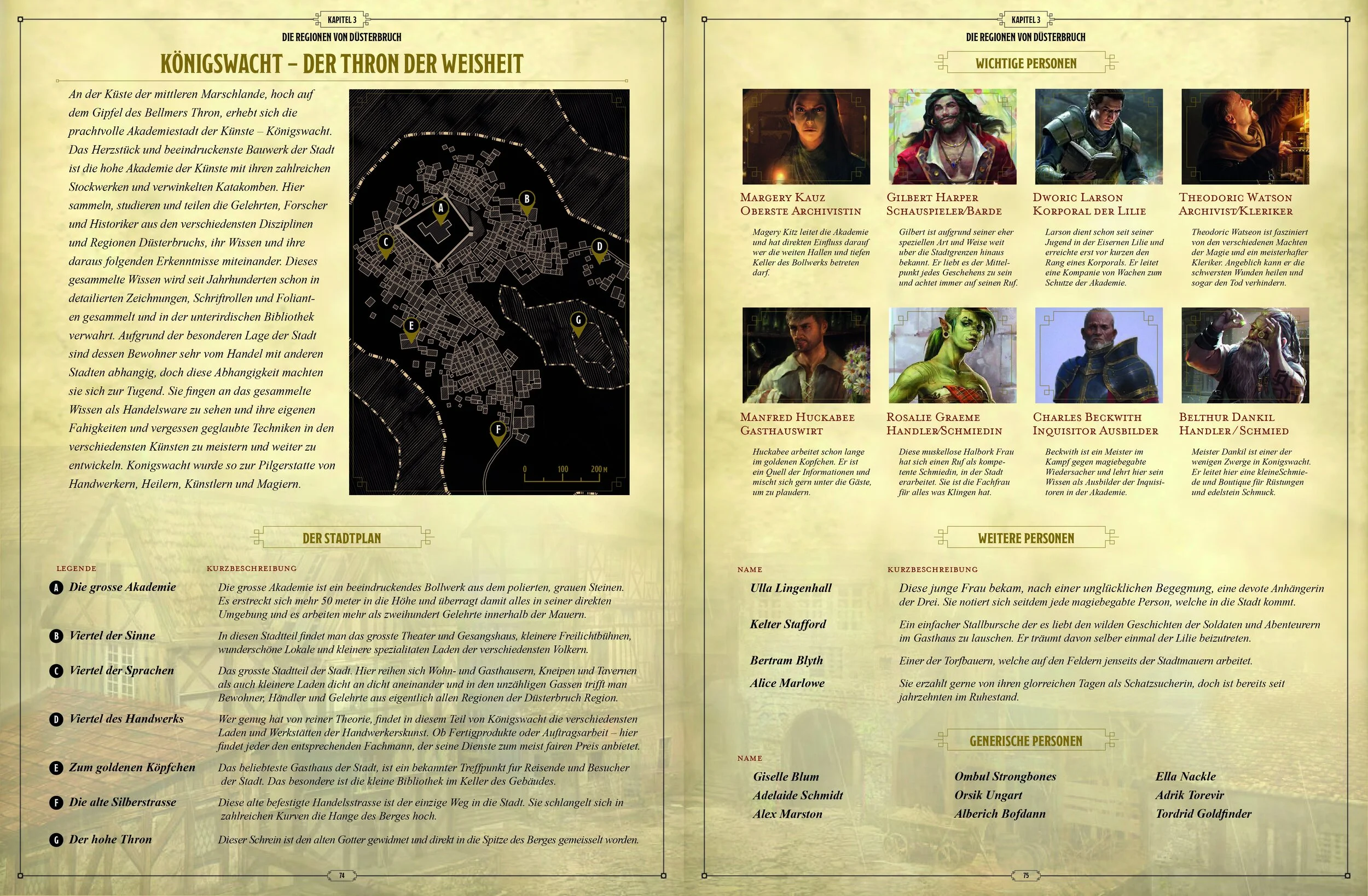
Welcome to Düsterbruch.
My original Eurocentric dark-fantasy D&D setting, built and expanded since 2015 through years of maps, lore, characters, regions, factions, questlines, big bad evil things, heroes and probably far too many notes.
With the arrival of Midjourney, I finally had a way to explore the world visually as well — creating cinematic character studies, environments and sequences from a setting that had previously mostly lived in my head, on paper and around the table.


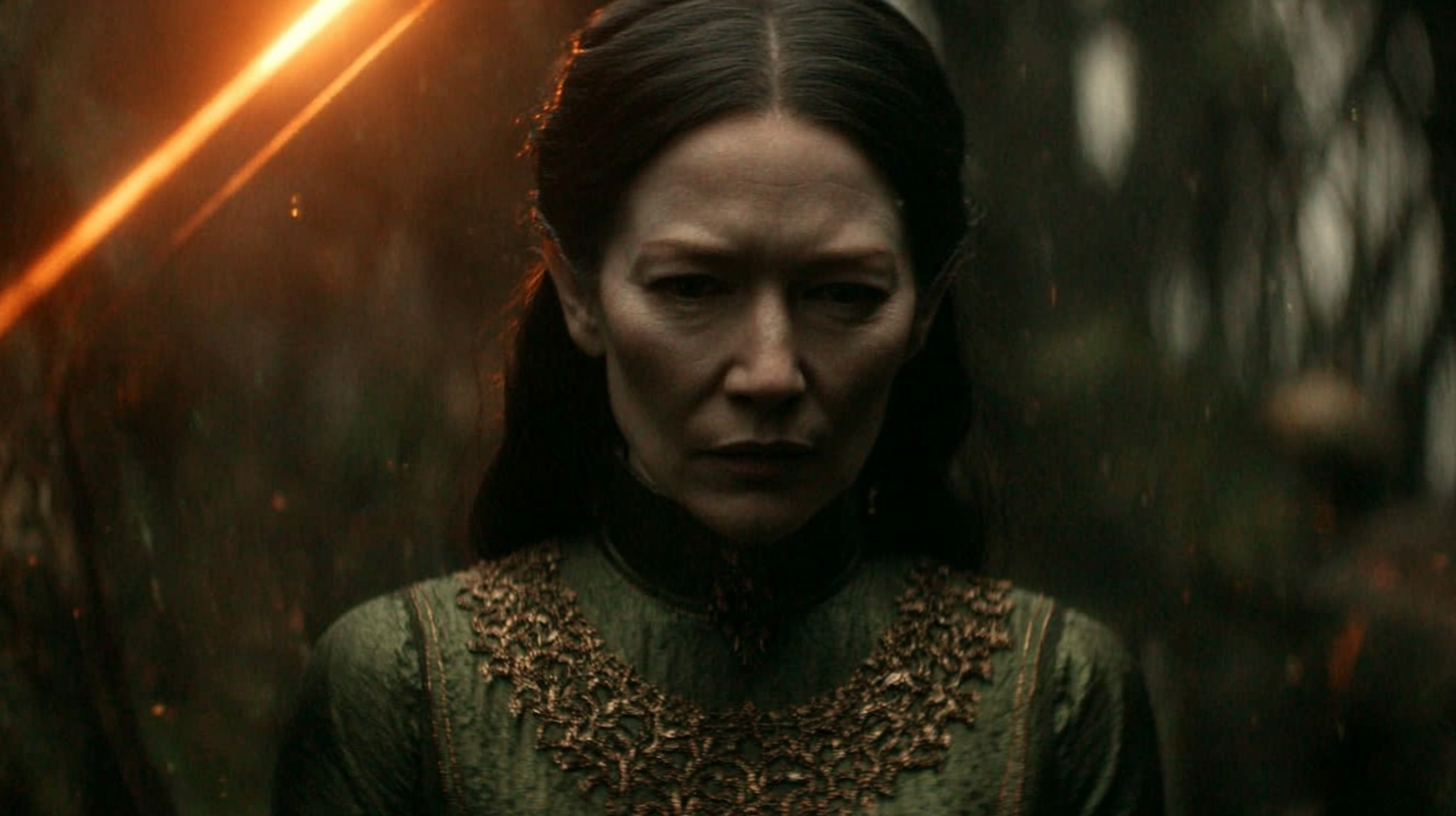


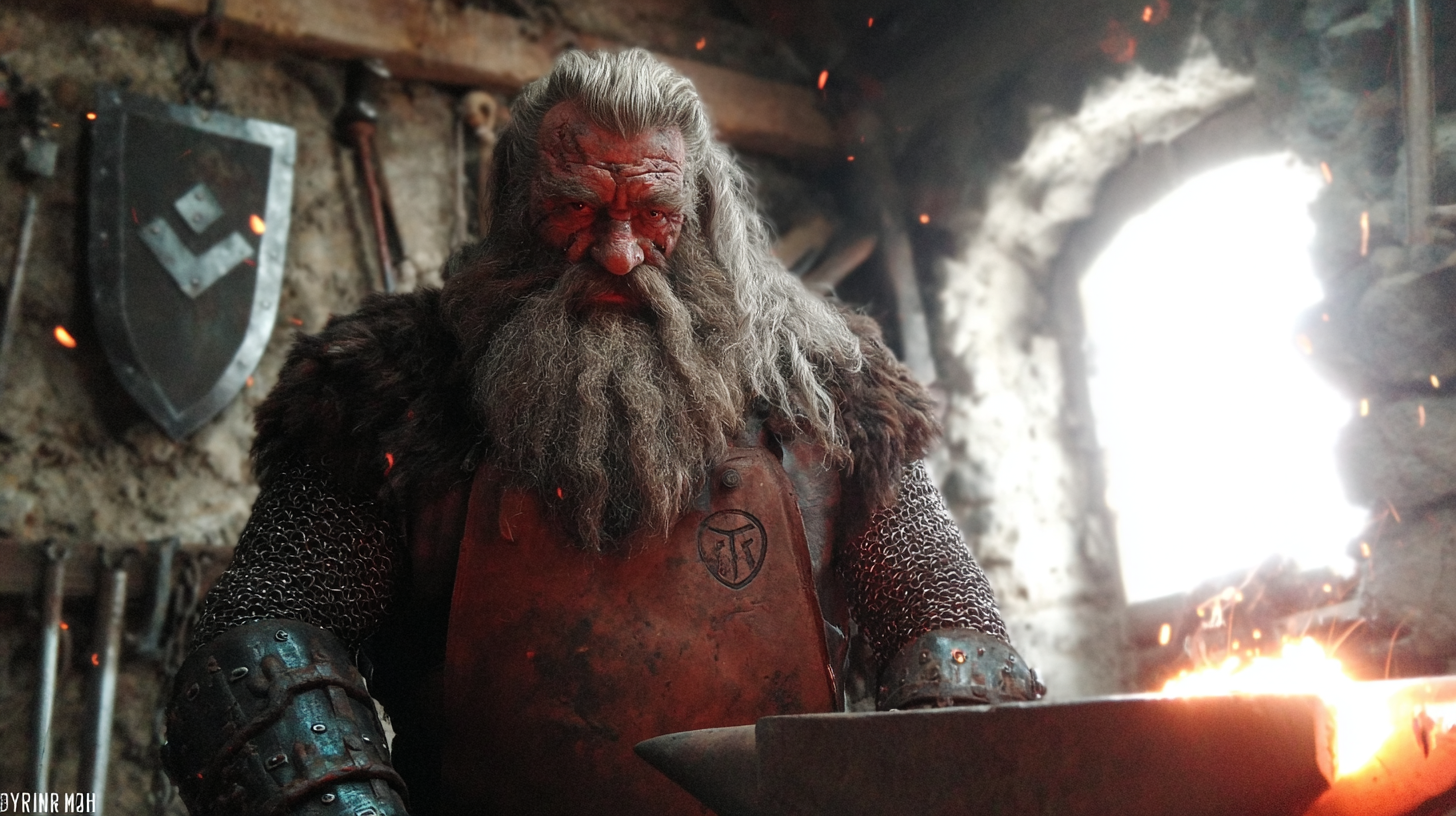


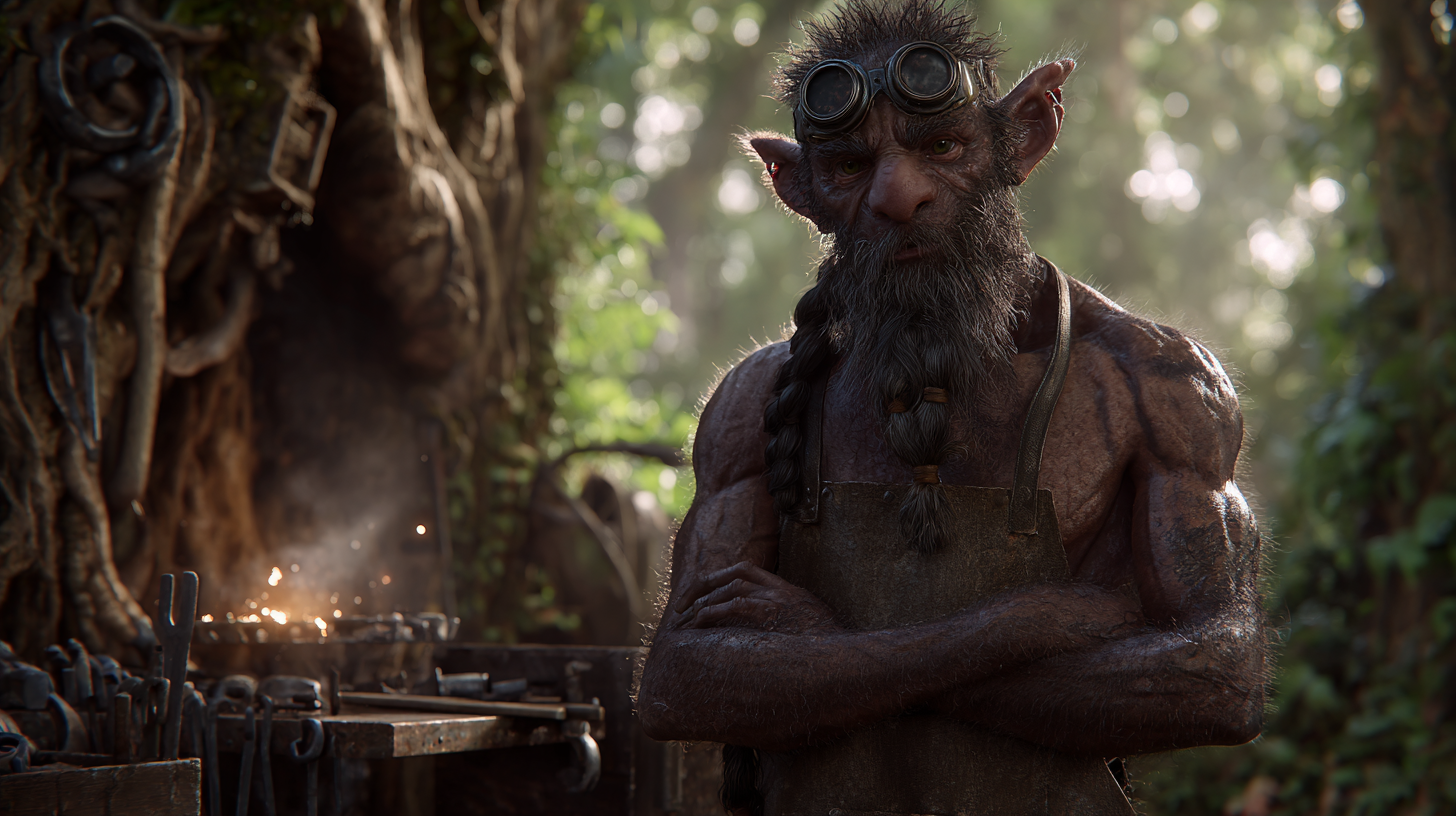

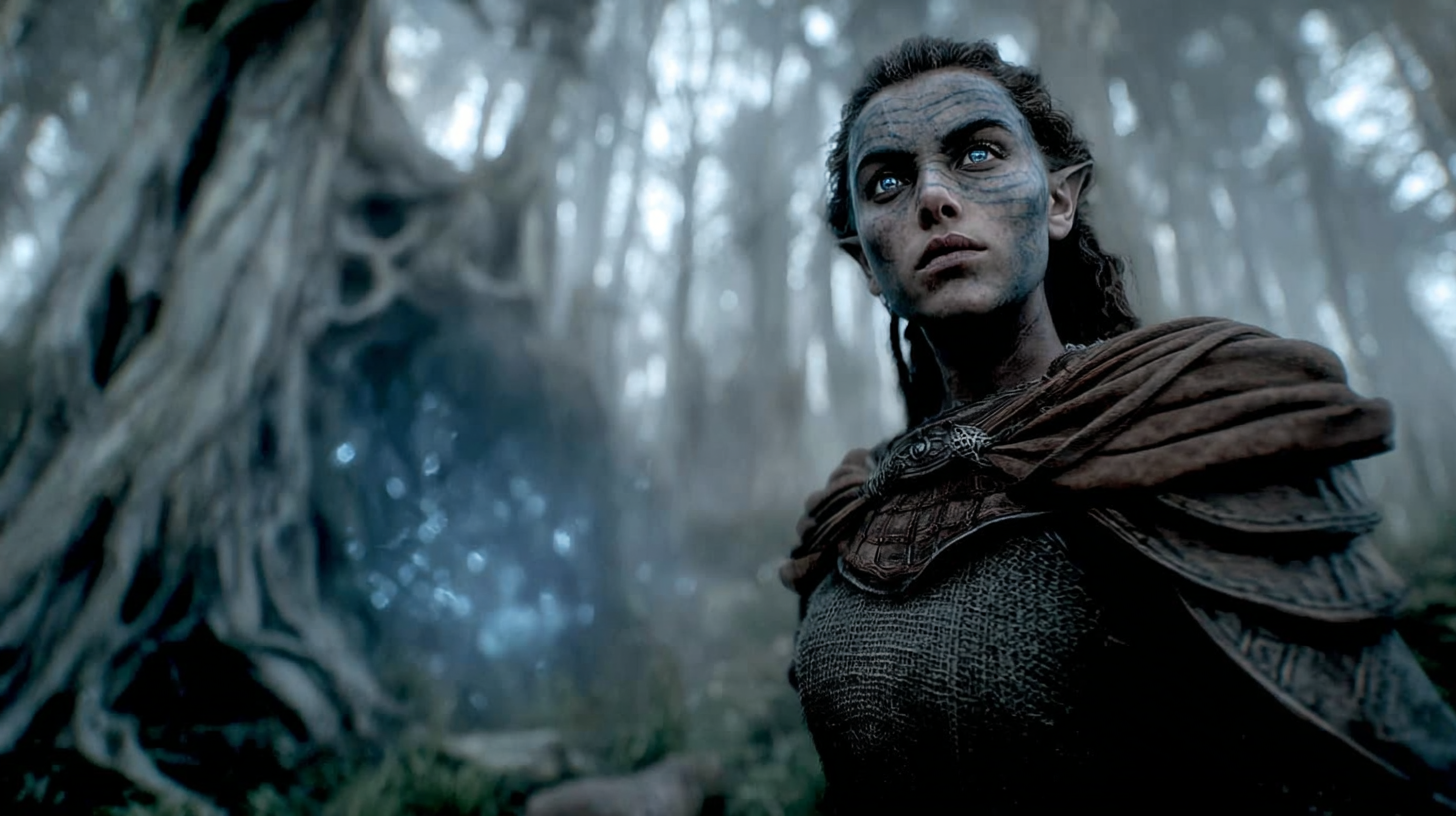


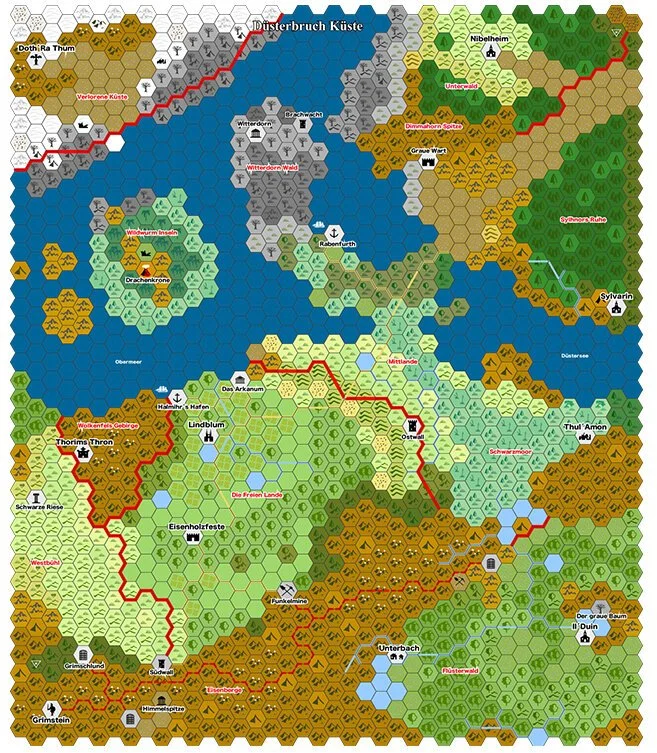
From hexmap to a heck-of-a-lot more.
Düsterbruch started in a simple hexmap editor but grew into a setting of its own, with distinct regions, cultures and conflicts — from the foggy lowlands of Westbühl and the Marschlande to the Flüsterwald, the Wyrmsea and the old dwarven kingdoms buried deep inside the Düsterbruch Mountains.
The tone has always been more grounded and mythic than high fantasy: old ruins beneath newer civilizations, restrained magic, contested faith, forgotten wars and the feeling that the world has been around for a very long time before the players ever arrived.
Over the years, I kept expanding it through lore writing, factions, rulers, myths, monsters, magic, adventure hooks and in-world texts — curated in the chronicles of Alfred Marian Harrowell, a travelling observer who became one of the main voices through which the setting is documented.
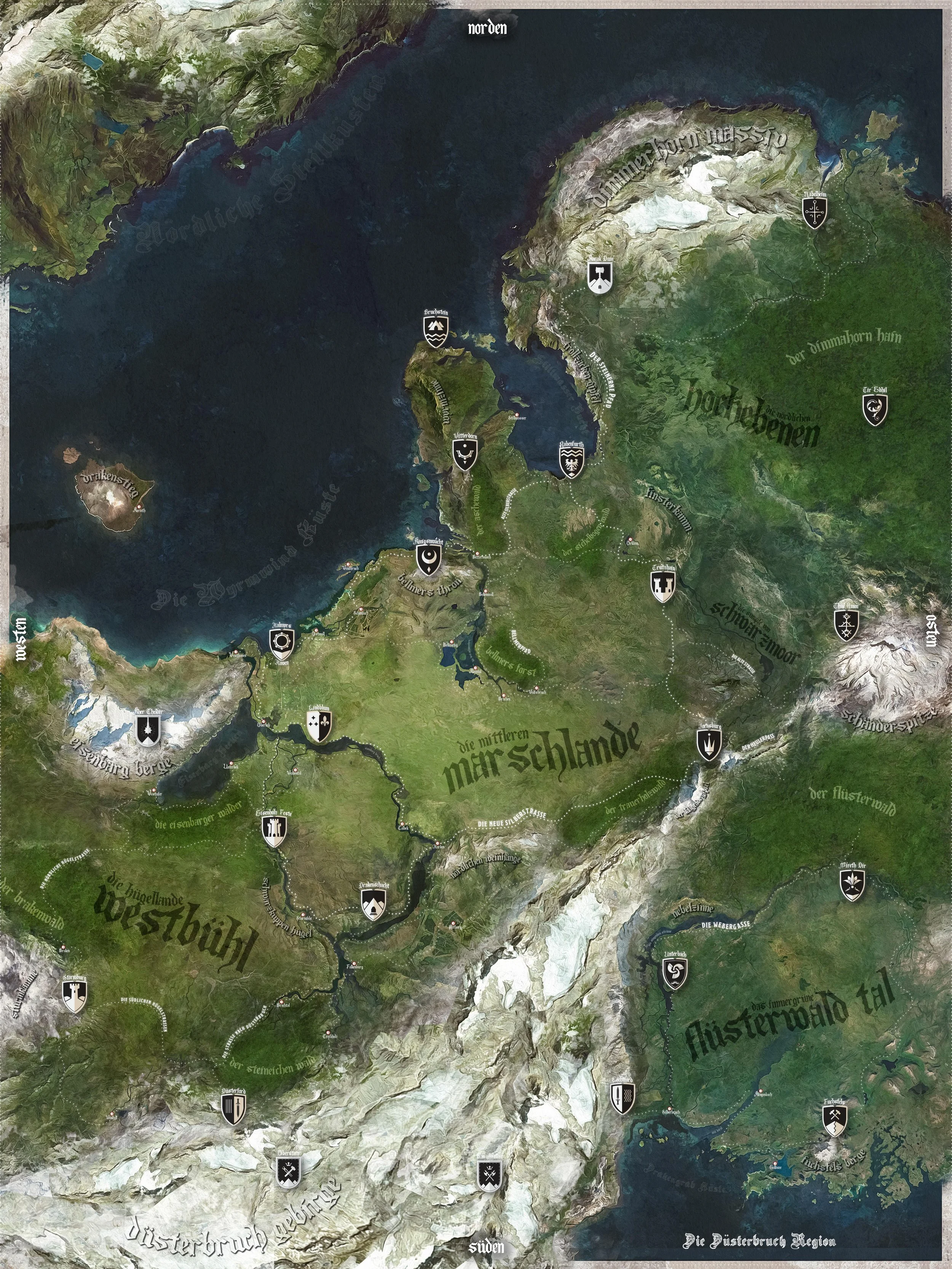
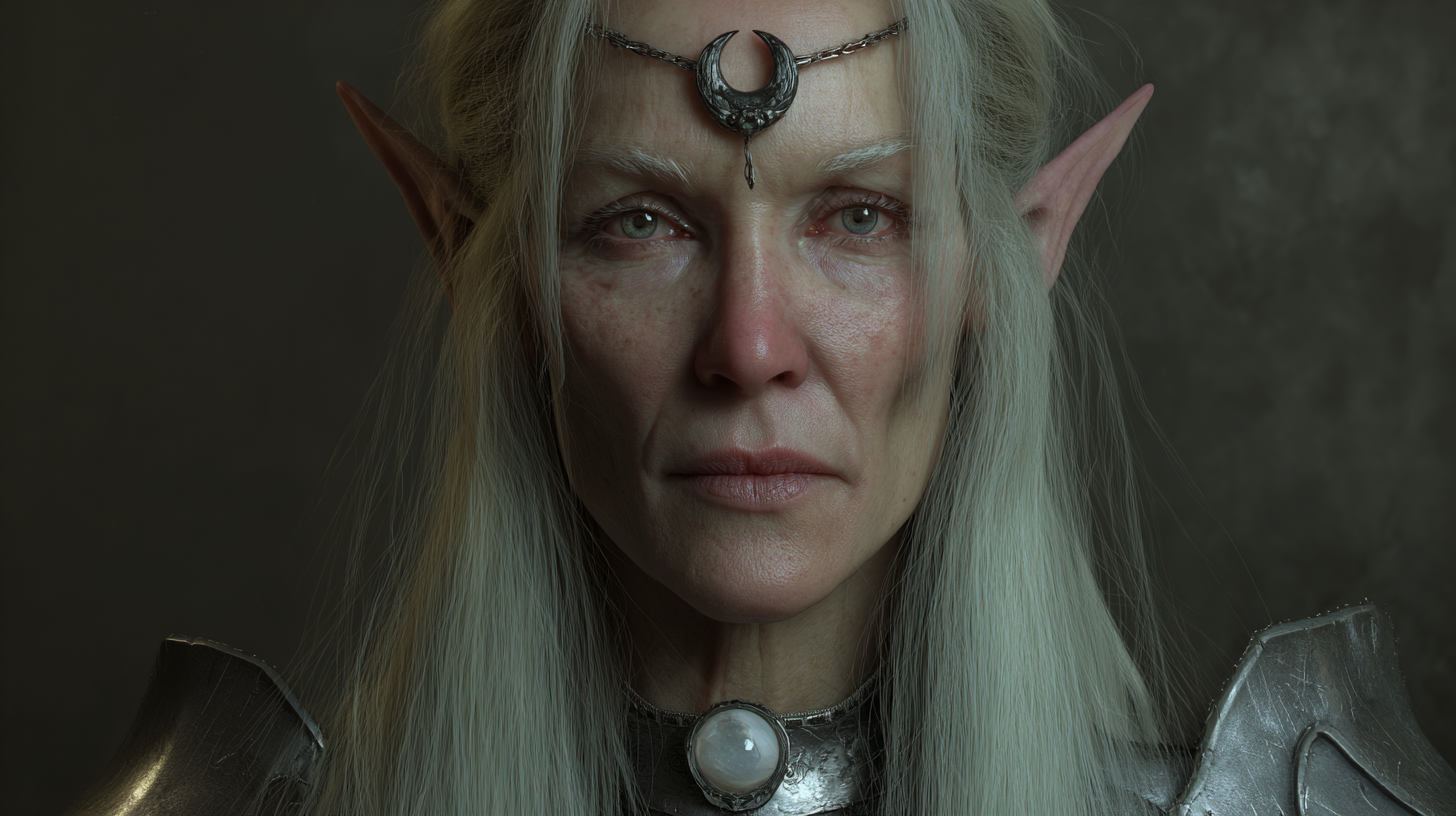
A pretty substantial world of its own.
At this point, Düsterbruch spans well over 100,000 words of lore, hundreds of characters, creatures, places, factions, myths and questlines, plus years of maps, notes, research and campaign material. Before I even started visualising it with AI, I had already collected roughly 9,000 references on Pinterest trying to pin down its look and atmosphere. Midjourney finally gave me a way to turn all of that accumulated worldbuilding into something that actually feels close to the version of Düsterbruch I had in my head.